


What an oleoresin is, how it is made, and why manufacturers choose it over ground spice.
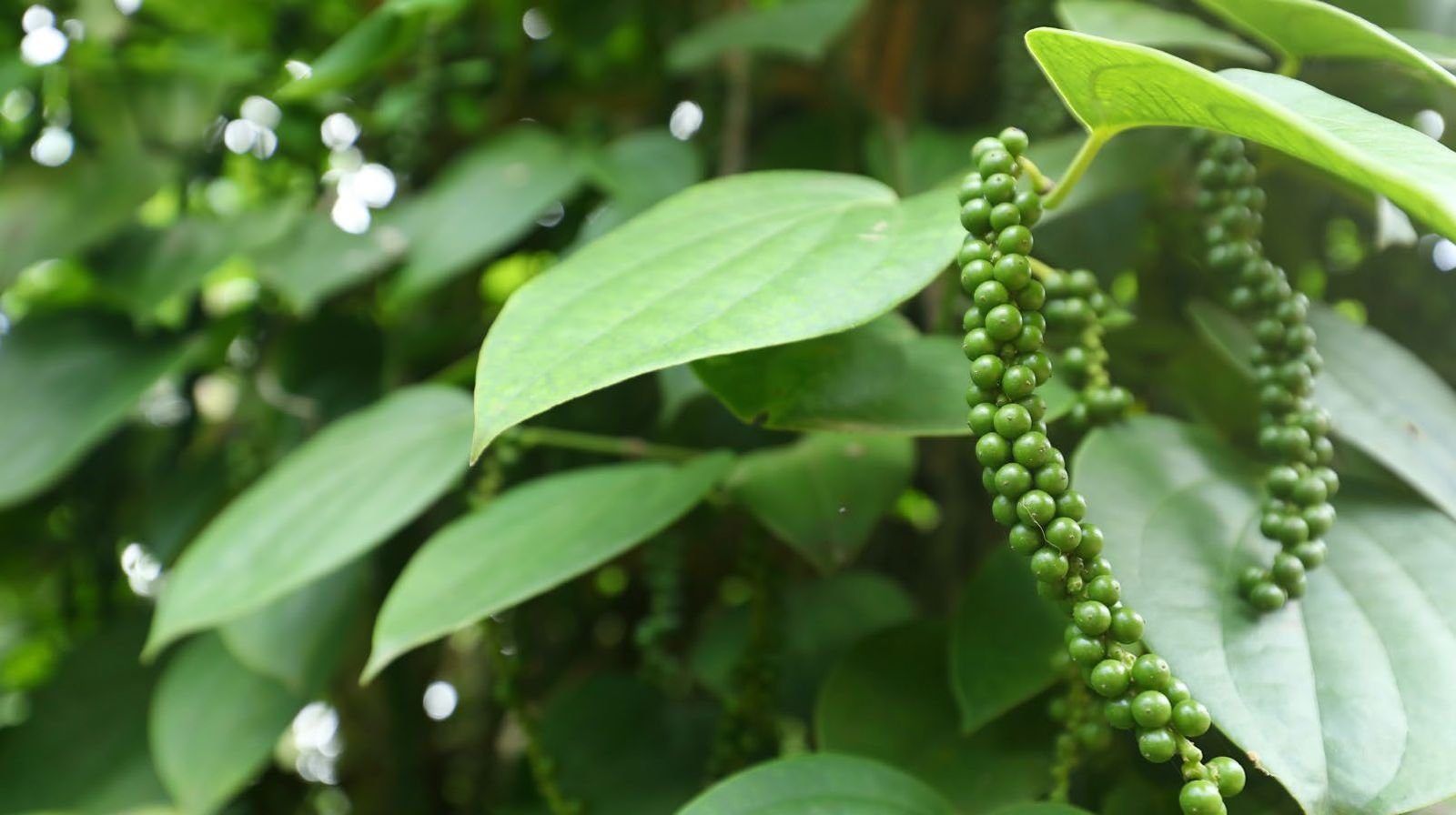
Grind a peppercorn and two things reach you at once: an aroma that rises from the spice, and a heat you feel on the tongue. The aroma comes from the spice's essential oil. The heat comes from its resin, and in pepper, from a compound called piperine. An oleoresin captures both.
To make one, we draw the flavour out of the dried spice by solvent extraction, then evaporate the solvent away. What remains is a thick, concentrated extract that holds the full character of the spice: its top notes, its depth and its pungency. In our Matale plant, each batch is then blended and standardised, so that a black pepper oleoresin, for example, carries an exact level of piperine and volatile oil.
Why do food manufacturers choose oleoresins over ground spice? Consistency comes first. Two harvests of pepper never taste quite the same, but a standardised oleoresin does, batch after batch. Oleoresins are also clean and hygienic, take up a fraction of the space, travel well and keep far longer than raw spice. A small dose goes a long way, and it disperses evenly through a sauce, a seasoning or a snack coating.
For applications that need a dry ingredient, an oleoresin can be bound onto a natural carrier to make a free-flowing powder, or encapsulated into granules such as our OleoGran.
The result is the flavour of the whole spice, with the reliability of a precision ingredient.
Back to Insights